(973) 310-2678 · 466 Southern Blvd.
Body Moksha Physical Therapy

Bowel & Bladder Dysfunction Treatment in Chatham

Leaks, urgency, and pressure that changes how you plan your day are not something you have to live with. Pelvic floor physical therapy addresses the muscles and mechanics behind bowel and bladder dysfunction directly.

01What Causes It

What causes bowel and bladder dysfunction?

Bowel and bladder dysfunction rarely has a single cause. It usually comes down to the strength, coordination, or flexibility of the pelvic floor muscles that support and control these systems. Understanding the real driver behind your symptoms is the first step to actually fixing them, not just managing around them.
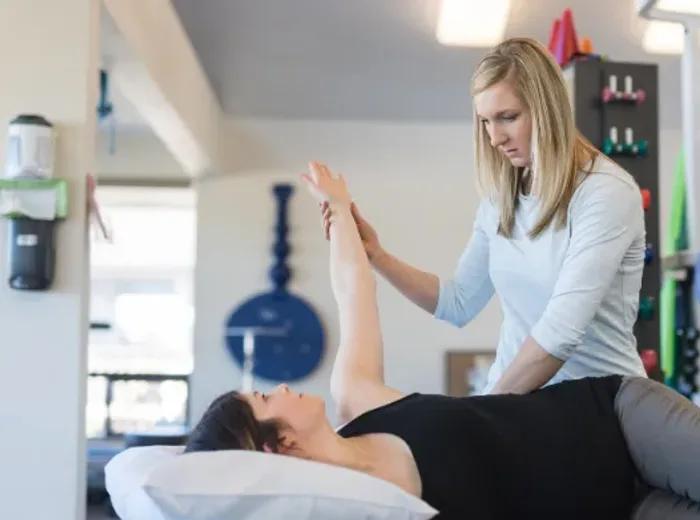
Physical therapist discussing pelvic floor treatment with a patient

The pelvic floor muscles support your bladder and bowel and help control when you release. When they weaken, from childbirth, surgery, or simply age, they can lose the strength to hold that control, especially under pressure like a cough, a sneeze, or exercise. The good news is that these muscles respond well to targeted strengthening, the same way any other muscle group does.

Incontinence is not always about weakness. Sometimes the pelvic floor is too tight or spasms without your control, which can cause urgency, frequency, or a feeling that you cannot fully empty. Treating this type of dysfunction focuses on releasing and retraining the muscles, not just strengthening them.

Carrying and delivering a baby places significant load on the pelvic floor and can stretch or weaken these muscles and the surrounding connective tissue. Symptoms can show up right after delivery or years later. Physical therapy helps rebuild strength and coordination at any point in that timeline.

Repeated straining, whether from constipation, heavy lifting, or chronic coughing, puts ongoing pressure on the pelvic floor and its supporting structures. Over time that pressure can weaken the muscles and contribute to both bladder and bowel symptoms. Addressing the underlying strain pattern is part of a full treatment plan.

Pelvic, abdominal, or prostate surgery can affect the nerves and muscles that control bowel and bladder function. Scar tissue and altered movement patterns afterward can also play a role. Physical therapy helps restore normal function and mobility around the surgical area.

Bowel and bladder control depends on clear communication between your brain, nerves, and pelvic floor muscles. When that coordination breaks down, from injury, illness, or simply learned habits, the muscles do not fire at the right time. Retraining that coordination is often the missing piece for lasting improvement.

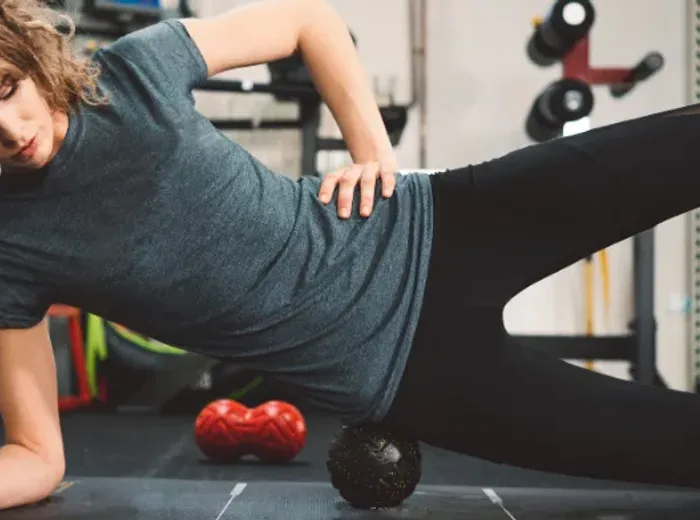
Patient working through a guided pelvic floor therapy exercise
02How PT Helps

How physical therapy in Chatham helps.

Here is the part most people never hear: bowel and bladder dysfunction is one of the most treatable conditions we see, and it rarely needs to start with medication or surgery. A skilled pelvic floor physical therapist finds the true source of your symptoms through a hands-on evaluation, then builds a plan that addresses it directly, whether that means strengthening a weak pelvic floor, releasing a tight one, or retraining the coordination between your muscles and nerves. You are not handed a generic sheet of exercises and sent on your way. Every session is one on one with your therapist, and the plan changes as you do. The result is not just fewer symptoms today. It is control you can count on, day to day, without letting your guard down.

03What To Expect

What to expect from your recovery.

01

Evaluation

Your first visit is a thorough, private assessment of your pelvic floor strength, coordination, and mobility. We ask about your symptoms and history, and you leave with a clear explanation of what is driving them and an honest timeline for improvement.

02

Retraining and hands-on work

We work directly with the muscles involved, whether that means strengthening, releasing tension, or retraining the timing between your muscles and nerves. Every technique has a reason, and we tell you what it is.

03

Progressive strengthening

As control improves, we build lasting strength and coordination so your pelvic floor can handle real life, from a hard cough to a heavy lift, without symptoms returning.

In Their Words
After two babies I was in desperate need of pelvic floor physical therapy to reduce pain, repair my core, address incontinence, and rebuild strength. Dr. Leah worked with me to develop a personalized plan that resolved all of my issues. She has such a warm and funny personality that really motivates you to consistently follow the plan. I looked forward to every session with her! Highly recommend.
Megan M. · Google Review
Related Conditions

Pain rarely travels alone.

Request an Appointment

Ready when you are.

Mon & Wed11am-7pm
Tue & Thu7am-4:30pm
Fri7am-3:30pm
Walk-insCall ahead
Book your evaluation. Same-week appointments available.
Step 1 of 5
First things first. What's your name?
We'll need a name to book you in.
Best number to reach you?
A phone number lets us confirm same-day.
And your email?
We'll send your confirmation here.
What questions do you have about your bowel or bladder symptoms?
A few words is all we need.
Look right? Send it.
✓
Request received.

We'll call within business hours to lock in your time.

Schedule Appointment