(973) 310-2678 · 466 Southern Blvd.
Body Moksha Physical Therapy

Diastasis Recti Treatment in Chatham

A gap has opened between the left and right sides of your abdominal muscles, and no amount of crunches has closed it. The right rehab targets the deep core and pelvic floor together, so your midsection can actually do its job again.

01What Causes It

What causes diastasis recti?

Diastasis recti is a separation between the left and right sides of the rectus abdominis, the muscle that runs down the center of your stomach. Pregnancy is the most common cause, but the reasons it lingers afterward, and whether it needs treatment, vary from person to person.
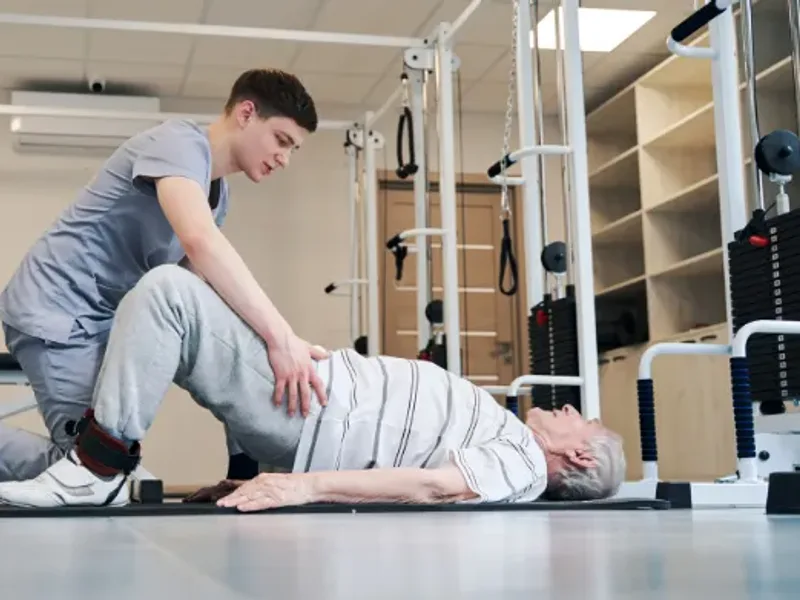
Physical therapist assessing a patient's core and abdominal muscles

As your belly grows during pregnancy, the connective tissue between the two sides of your abdominal muscles stretches to make room. Some separation is normal and expected. For many women it narrows on its own in the months after birth, but for others the gap stays open and the core stays weak.

Carrying twins or triplets, or going through several pregnancies close together, stretches the connective tissue further and gives it less time to recover between births. This makes a lasting separation more likely and often means the gap is wider.

Jumping back into crunches, planks, or heavy lifting before the deep core and pelvic floor are ready can keep the gap from closing, or make it worse. The order you rebuild strength in matters just as much as the exercises themselves.

A C-section involves the same abdominal muscles as a vaginal delivery, and scar tissue around the incision can add another layer of tension that affects how well your core reconnects. Scar mobility work is often part of a full recovery plan.

Your deep core and pelvic floor work as one system. When the pelvic floor is weak or overly tense, the abdominal wall often cannot fully reconnect either. That is why we assess both together instead of treating the belly in isolation.

Diastasis recti and a hernia can feel similar, a bulge or doming down the midline, but they are not the same thing. A hernia is a gap in the muscle wall itself that tissue can push through, while diastasis recti is a stretching of the connective tissue between two intact muscles. A hands-on evaluation tells the difference and rules out anything that needs a physician referral.

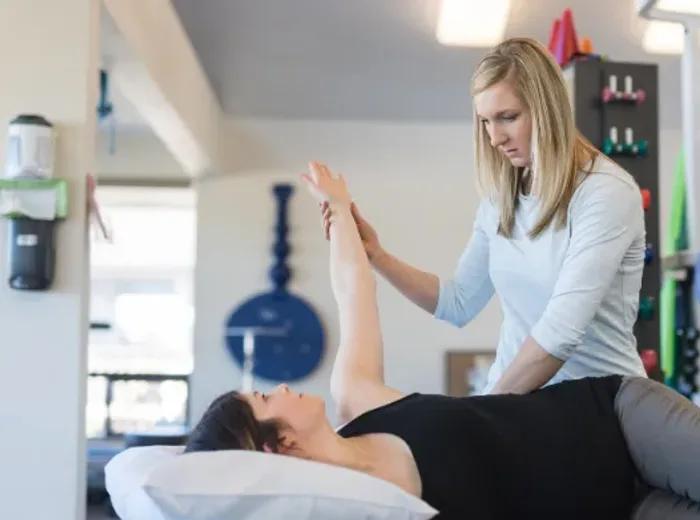
Patient working through a guided postpartum core rehab exercise
02How PT Helps

How physical therapy in Chatham helps.

Closing the gap starts with an honest assessment of how wide the separation is, how it moves under tension, and how your deep core and pelvic floor are functioning together, not with generic ab exercises. From there we rebuild activation from the inside out: deep core engagement first, then progressive loading that reconnects the abdominal wall instead of pulling it further apart. We coordinate the pelvic floor and the core together, because the two systems recover as a pair. The result is not a flatter stomach for its own sake. It is a core that can actually support lifting your kids, returning to your workouts, and everyday life without the doming, the ache, or the feeling that something is still not right.

03What To Expect

What to expect from your recovery.

01

Assessment of the gap

We measure the width and depth of the separation, check how your core responds under tension, and evaluate your pelvic floor at the same time. You leave with a clear picture of what is actually going on and a realistic recovery timeline.

02

Deep core and pelvic floor retraining

We rebuild activation from the inside out, teaching the deep core and pelvic floor to work together before adding load. This is the foundation that lets the abdominal wall reconnect instead of staying stretched apart.

03

Return to full activity

Once the core is reconnected and functioning, we progress you back to lifting, exercise, and the activities you paused, with the strength and mechanics to keep the gap from opening back up.

In Their Words
After a year postpartum I was still having back pain and looked pregnant. I was wondering if I had diastis recti. When I reached out to my regular doctor she said only surgery can fix it. I refused to accept that and did my own research and found Body Moksha. I met with Dr. Leah for a consultation to see what my options are. She was so caring and friendly from day one and really understood what I was going through. We have made huge progress and I don’t have back pain anymore. My biggest regret is not finding her sooner! I have learned so much and these appointments are the best “me time” for a new mom! 10/10 highly recommend!
Colleen T. · Diastasis Recti Patient
Related Conditions

Pain rarely travels alone.

Request an Appointment

Ready when you are.

Mon & Wed11am-7pm
Tue & Thu7am-4:30pm
Fri7am-3:30pm
Walk-insCall ahead
Book your evaluation. Same-week appointments available.
Step 1 of 5
First things first. What's your name?
We'll need a name to book you in.
Best number to reach you?
A phone number lets us confirm same-day.
And your email?
We'll send your confirmation here.
What questions do you have about diastasis recti?
A few words is all we need.
Look right? Send it.
✓
Request received.

We'll call within business hours to lock in your time.

Schedule Appointment