Men have a pelvic floor too, and when it is too tight, too weak, or not coordinating well, it can cause pelvic pain, leakage, urgency, or trouble after prostate surgery. These problems are common, they are treatable, and you do not have to keep quiet about them. One private evaluation shows what is actually going on.
The pelvic floor is a group of muscles at the base of the pelvis that supports the bladder and bowel, controls urination, and plays a role in sexual function. In men, pelvic floor problems are often missed because so few people know they exist. Symptoms get blamed on the prostate, on getting older, or on stress, when the muscles themselves are the real driver. The good news is that muscles respond to the right kind of specialized therapy.
Aching or burning in the pelvis, groin, perineum, or genitals that lingers for months is often labeled chronic prostatitis, even when no infection is ever found. Very often the pelvic floor muscles are holding constant tension. Learning to release that tension is usually the first real step toward relief.
Leaking urine is a common side effect after prostate removal or other prostate treatment. The pelvic floor muscles take over more of the job of bladder control after surgery, and targeted training helps them do it well, whether you are weeks or years out.
Feeling like you have to go right now, going often, or getting up several times a night can be tied to an overactive or poorly coordinated pelvic floor. Retraining the muscles and your bladder habits can calm those signals down.
The pelvic floor muscles support erections and ejaculation, so weakness or excess tension can play a part in erectile difficulty or pain with ejaculation. It is a real, common, and treatable issue, and nothing to be embarrassed about bringing up.
Pain at the tailbone, perineum, or sit bones that gets worse the longer you sit often comes from guarded pelvic floor muscles or irritated nerves. Cyclists, drivers, and people who sit at a desk all day see this often.
Constipation, straining, or a feeling that you never fully empty can mean the pelvic floor is tightening when it should be relaxing. Coordination training and better toilet mechanics often make a clear difference.
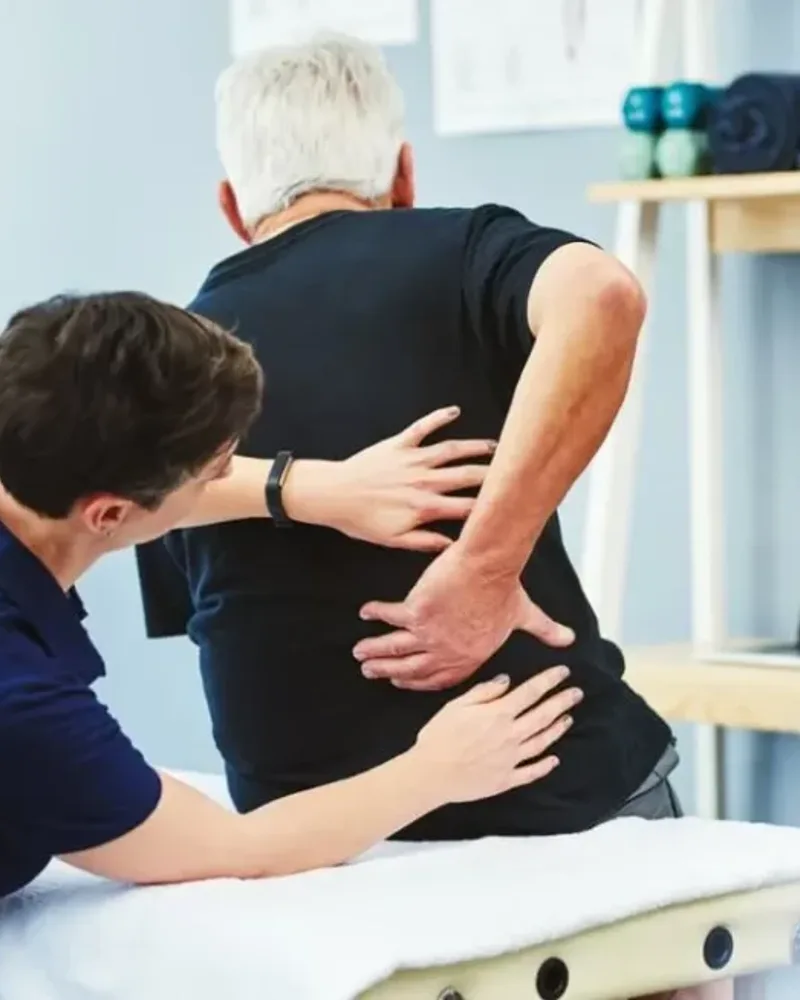
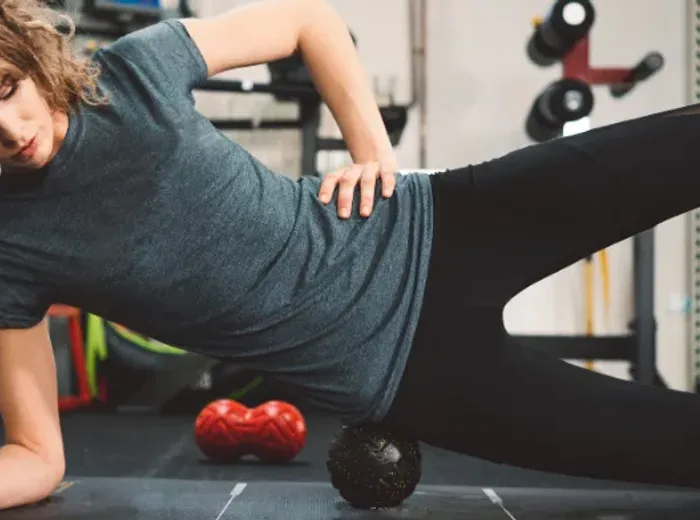
Male pelvic health care starts with a private, unhurried conversation about your symptoms, history, and goals, one on one. From there, your Doctor of Physical Therapy assesses how your pelvic floor, hips, low back, and breathing work together. Treatment may include hands-on manual therapy to release tight muscles, guided training so you can feel the muscles contract and relax, targeted strengthening, and practical changes to how you sit, lift, and go to the bathroom. An internal assessment can be helpful for some patients, but it is always explained first and only done with your consent. On our team, Dr. Rebecca Biland specializes in pelvic health for men and women, including complex pelvic pain. The goal is simple: fewer symptoms, more control, and getting back to work, workouts, and intimacy with confidence.
We start with a confidential conversation about your symptoms and goals, then assess your pelvic floor, hips, spine, and breathing. You will leave the first visit understanding what is driving your symptoms.
We calm overactive muscles with hands-on care and relaxation work, then retrain the pelvic floor to contract and let go on cue. You get a short home program that fits into a normal day.
As symptoms settle, we build strength and endurance for real life: lifting, running, golf, long drives, and a full night of sleep, so the improvement holds for the long run.
The team at Body Moksha Physical Therapy is wonderful. They really take the time to understand your health challenges and goals and work with you to achieve them through exercise and therapies. I had a very positive experience with their doctors and I recommend them to anyone who needs pelvic floor PT.

Specialized, one-on-one pelvic floor care for pain that limits sitting, movement, or comfort.

Leakage, urgency, and other bowel or bladder issues tied to pelvic floor function.

Find the real source of low back and nerve pain and get back to moving freely.